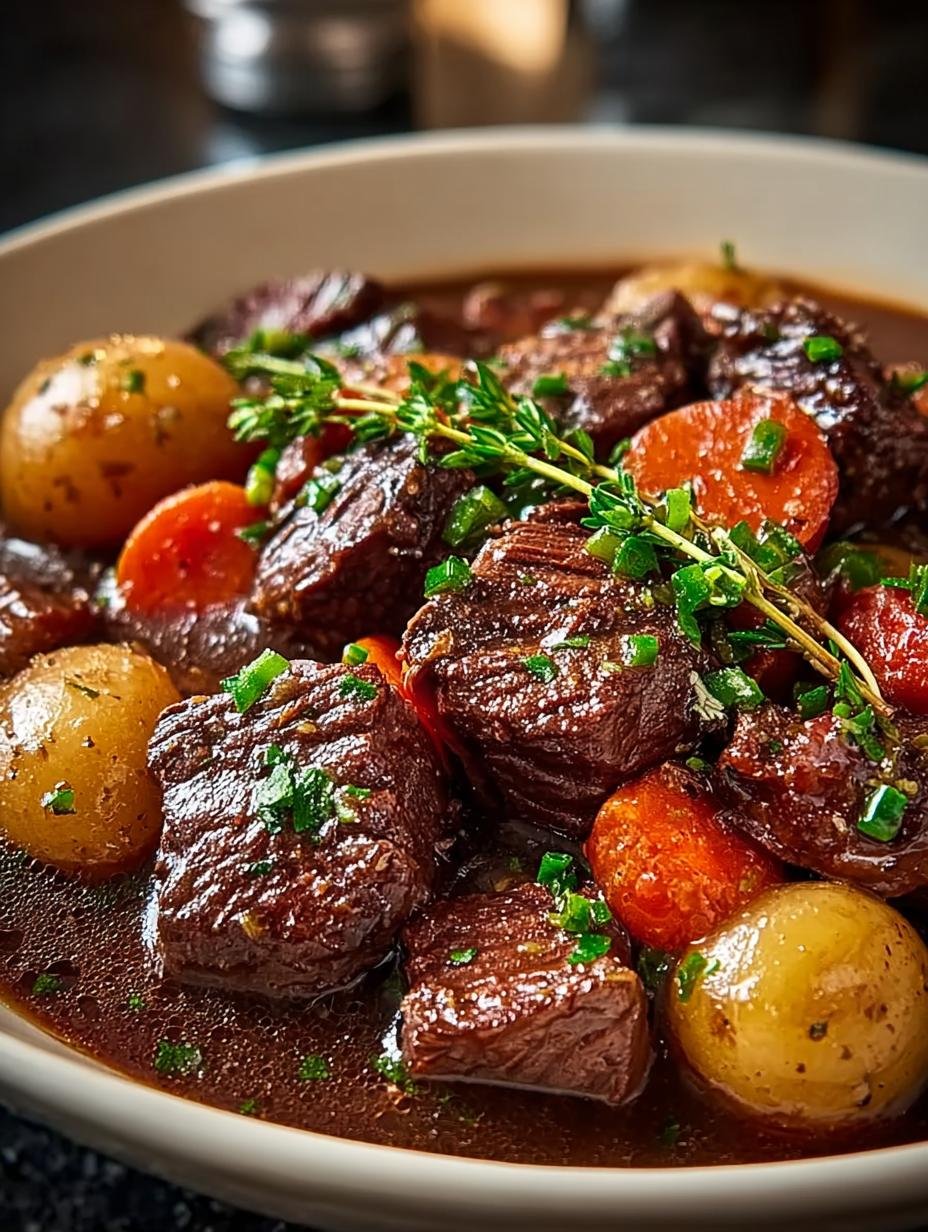
The Secret to Perfect Beef Bourguignon Mushrooms: Timing is Key
Beef Bourguignon. The mere mention conjures images of rustic French kitchens, slow-cooked tenderness, and a rich, deeply flavoured sauce. It’s a quintessential comfort food, a culinary masterpiece that demands patience and respect for its ingredients. While the melt-in-your-mouth beef and the robust wine-infused gravy are often the stars, there’s a quiet hero often overlooked, or rather, mishandled: the humble mushroom. Achieving perfectly cooked mushrooms in your
beef bourguignon isn't about adding them at the beginning and letting them stew for hours. The secret lies in precise timing and a distinct cooking technique, a philosophy rooted in classic French culinary wisdom.
The Culinary Challenge: Why Traditional Mushroom Addition Fails
For many home cooks, the instinct might be to toss all the ingredients into the pot at once, allowing the symphony of flavours to meld over a long, slow braise. While this approach works wonders for the beef, carrots, and onions, it spells disaster for mushrooms. Imagine adding fresh mushrooms to your bourguignon at the very start of its 2-3 hour journey in the oven. What happens?
Mushrooms are composed of a significant amount of water – up to 90%. When subjected to prolonged simmering within a stew, they behave more like sponges than vegetables. They release their moisture slowly into the simmering liquid, essentially steaming rather than cooking. This process leads to several undesirable outcomes:
- Soggy Texture: Instead of retaining any firmness, they become flabby, rubbery, or even disintegrate entirely, losing their distinct bite.
- Lost Flavour: The delicate, earthy, and umami notes that make mushrooms so appealing are leached out into the stew, leaving the mushrooms themselves bland and forgettable.
- Diluted Sauce: The excessive water released can thin out your carefully reduced, rich sauce, compromising its texture and intensity.
- Unappealing Appearance: Instead of beautiful golden-brown morsels, you're left with pale, grey, and rather sad-looking fungi that detract from the visual appeal of your finished dish.
In essence, adding mushrooms too early in the bourguignon process means they are "lost" – both in texture and flavour – becoming an incoherent part of the dish rather than a valuable contributor. The long, gentle cook required for the beef is precisely what mushrooms *don't* need.
The French Cooking Principle: Respecting Each Ingredient's Needs
The solution to this mushroom dilemma is not a new trick but a foundational principle of classic French cooking: understanding and respecting the unique cooking requirements of each ingredient. A truly great dish isn't about throwing everything together; it's about orchestrating individual components to reach their peak potential, then bringing them together in harmony.
Consider the other main players in your
beef bourguignon:
- Beef: Needs high heat initially for browning (Maillard reaction) to develop deep flavour, followed by hours of low, moist heat to break down tough connective tissues, tenderise the meat, and allow its collagen to melt into the sauce, enriching it.
- Aromatics (Onions, Carrots, Celery): Benefit from slow, gentle cooking to soften, sweeten, and lightly caramelise, building a foundational layer of flavour without burning.
- Wine and Stock: Require time to reduce, concentrate their flavours, and form the luxurious gravy that coats every morsel.
Mushrooms, on the other hand, demand a different approach. For them to develop a desirable texture and an intense, nutty, umami-rich flavour, they need quick, high-heat cooking. This process allows their surface moisture to evaporate rapidly, enabling them to sear and brown effectively. This browning, known as the Maillard reaction, creates hundreds of new flavour compounds that are simply impossible to achieve through steaming in a liquid.
By treating mushrooms as a separate entity with distinct needs, we elevate them from an afterthought to a thoughtful component that enhances the entire dish, reflecting the meticulous attention to detail that defines great French cuisine.
Mastering the Mushroom Technique: A Step-by-Step Guide
The secret to perfect beef bourguignon mushrooms, then, is to cook them separately, and crucially, add them to the stew only when it is almost ready to serve. Here’s how to execute this technique for truly outstanding results:
- Choose Your Mushrooms Wisely: While most recipes call for button mushrooms or cremini (baby bella), don't hesitate to experiment. Chestnut mushrooms, as suggested in some recipes, offer a deeper flavour. You can also mix varieties for added complexity – perhaps some sliced shiitake or oyster mushrooms alongside the creminis. Ensure they are clean; typically, a quick brush or wipe with a damp cloth is better than rinsing, which can make them absorb more water. If using larger mushrooms, quarter them; smaller button mushrooms can be left whole.
- Time It Right: The perfect moment to cook your mushrooms is during the final 15-20 minutes of your bourguignon's braising time, or while it’s resting after being removed from the oven. At this point, the beef should be fork-tender, and the sauce should have reached its desired consistency.
- Heat the Pan: Use a large, heavy-bottomed frying pan or sauté pan. Heat it over medium-high heat. The key here is *hot* enough to sear, but not so hot that the fat burns immediately.
- Add Fat and Seasoning: Once hot, add a generous knob of butter, or a combination of butter and a neutral oil (like vegetable or canola oil) to prevent the butter from burning too quickly. The fat is crucial for flavour and browning. Season the mushrooms directly in the pan with salt and freshly ground black pepper.
- Cook in Batches (If Necessary): Do not overcrowd the pan. If you have a large quantity of mushrooms (e.g., a 100g pack of chestnut baby buttons), you might need to cook them in two batches. Overcrowding lowers the pan temperature, causing the mushrooms to steam rather than sear.
- Sear for Perfection: Let the mushrooms cook undisturbed for a few minutes until they begin to release their moisture and develop a beautiful golden-brown crust. Stir occasionally, allowing all sides to brown. This process usually takes 6-8 minutes, depending on the heat and quantity. You want them tender yet firm, with a lovely nutty aroma.
- Integrate into the Stew: Once perfectly seared and golden, gently stir the cooked mushrooms into your finished beef bourguignon. Give it a final taste check for seasoning. Allow the stew to stand for about 10 minutes before serving; this allows the flavours of the freshly cooked mushrooms to meld with the rich sauce without overcooking them.
The Sensory Impact: How Perfect Mushrooms Elevate Your Bourguignon
The payoff for this meticulous approach is immense. When you bite into your beef bourguignon, you'll encounter a delightful medley of textures and flavours: the yielding, tender beef; the soft, sweet vegetables; and then, the star of this discussion, the perfectly cooked mushrooms.
They provide:
- Textural Contrast: A pleasing firmness that offers a satisfying chew, contrasting beautifully with the softness of the beef and other ingredients.
- Umami Depth: The browning process concentrates their natural umami, adding another layer of complex, savory flavour to the already rich sauce.
- Visual Appeal: Their golden-brown exteriors provide an attractive visual element, making the dish look as good as it tastes.
- Earthy Notes: A distinct earthy flavour that rounds out the profile of the bourguignon, complementing the wine and beef without being overshadowed.
This attention to detail transforms an already delicious stew into an extraordinary culinary experience.
Conclusion
Making a perfect beef bourguignon is a journey that rewards patience and an understanding of individual ingredients. While the long, slow braise for the beef and sauce is non-negotiable, knowing when and how to cook your mushrooms is a critical detail that elevates the entire dish. By giving mushrooms the quick, high-heat treatment they deserve, you ensure they contribute their best texture, flavour, and visual appeal, turning a good stew into a truly memorable one. Embrace this classical French cooking principle, and your next beef bourguignon will be a testament to culinary excellence, from the tender beef to the perfectly seared, earthy mushrooms.