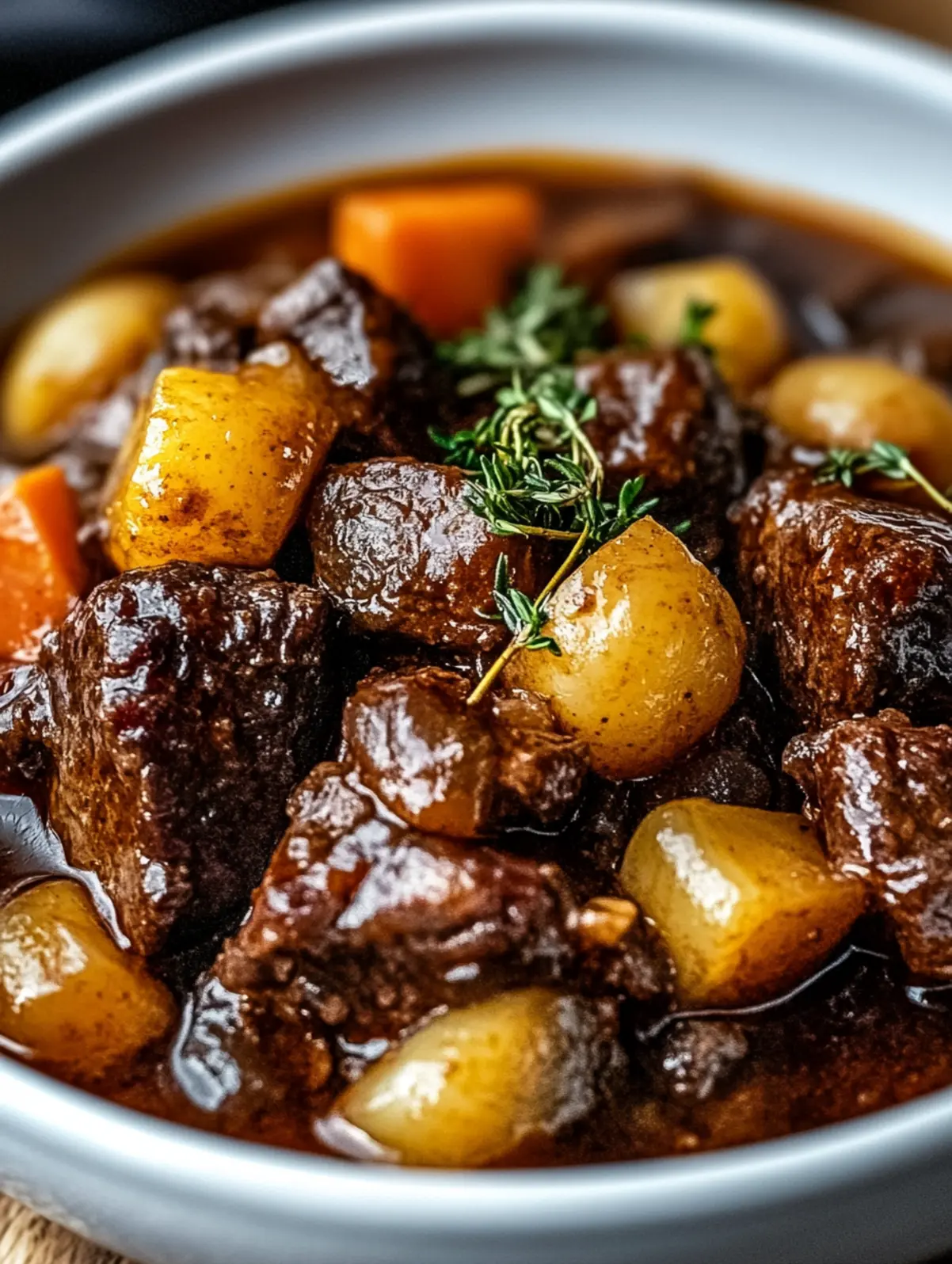
Mastering Rich Slow-Cooked Beef Bourguignon for Any Gathering
There are few dishes that evoke such a sense of warmth, elegance, and timeless culinary artistry as Beef Bourguignon. This iconic French stew, originating from the Burgundy region, is a testament to the magic of slow cooking, transforming humble ingredients into a symphony of rich, complex flavors. Whether you're planning an intimate dinner party or a grand festive feast, mastering this classic dish promises to impress your guests and fill your home with an irresistible aroma. It's more than just a meal; it's an experience, a labor of love that rewards patience with unparalleled deliciousness.
Often considered a chef's specialty, the beauty of beef bourguignon lies in its approachability. While it requires time, the steps themselves are straightforward, making it an ideal candidate for even novice cooks looking to elevate their culinary repertoire. Prepare to embark on a journey that will teach you not just a recipe, but the fundamental principles of building profound flavors, ensuring every spoonful is a rich, tender delight.
The Heart of the Matter: Selecting and Preparing Your Beef
The foundation of any exceptional beef bourguignon lies in the quality and preparation of your beef. Opt for cuts that thrive under long, slow cooking, such as beef chuck, stewing steak, or even short ribs. These cuts, rich in collagen and connective tissue, are perfectly suited for braising. As they cook gently over hours, the collagen breaks down into gelatin, resulting in incredibly tender, melt-in-your-mouth beef and a luxuriously thick, glossy sauce.
Begin by cutting your chosen beef into substantial 4cm chunks. This ensures they don't disintegrate during the extended cooking time, retaining their satisfying chew and presence in the stew. Proper seasoning is paramount; don't be shy with salt and freshly ground black pepper. This initial seasoning penetrates the meat, laying the groundwork for flavor.
The next crucial step is browning the beef. This isn't just about color; it's about flavor. Heat a large, flameproof casserole or sauté pan over a high heat with a few tablespoons of vegetable oil. Brown the beef in batches – overcrowding the pan will steam the meat instead of searing it, preventing the development of that deep, savory crust. This browning process, known as the Maillard reaction, creates hundreds of new flavor compounds, adding a depth that cannot be achieved any other way. Once richly browned on all sides, remove the beef and set it aside, along with any precious resting juices.
Building Layers of Flavor: Aromatics, Spices, and the Braising Liquid
With the beef browned, it's time to build the aromatic base that will infuse your beef bourguignon with its signature complexity. In the same pan (adding a little more oil if needed), gently sauté chopped onions, celery, and carrots over a medium-low heat. Cook them until softened and slightly caramelized, which usually takes about 5 minutes. This slow cooking coaxes out their natural sweetness, adding another layer of flavor. Then, stir in crushed garlic and, for a truly festive and warming twist, a blend of ground spices. The Sainsbury's Magazine recipe, for instance, suggests a delightful mix of ground allspice, nutmeg, and cloves, along with whole cinnamon sticks, transforming the dish into a truly aromatic experience perfect for winter gatherings. If you're intrigued by this spiced variation, you might want to explore our article on Mulled Beef Bourguignon: Your Festive Make-Ahead Winter Stew.
Once the aromatics and spices have cooked for a couple of minutes, releasing their fragrant oils, return the browned beef (and its juices) to the pan. Stir in a generous amount of plain flour and a dollop of tomato purée. The flour will help thicken the stew, while the tomato purée adds a vital layer of umami, deepening the overall richness. Cook, stirring constantly, for 2 minutes to cook out the raw flour taste.
Now, for the liquid gold: a full bottle of fruity red wine. Pour it into the pan, along with some water, and bring the mixture to a gentle simmer. As it simmers, use a wooden spoon to scrape up any browned bits from the bottom of the pan – this is called deglazing, and those bits are pure flavor. Crumble in a beef stock cube and add your cinnamon sticks (if using). Stir everything to combine, then cover the casserole with a lid and transfer it to a preheated oven (around 170°C fan). This is where the magic of slow braising truly happens. Allow it to cook for approximately 2½ hours, stirring once or twice to ensure even cooking. The beef will become incredibly tender, and the flavors will meld beautifully.
The Secret Weapon: Perfecting Your Mushrooms and Finishing Touches
While the beef braises to perfection, let's address a common pitfall in beef bourguignon preparation: the mushrooms. Many recipes suggest adding them early, but as experts confirm, this can lead to soggy, flavorless mushrooms that disintegrate into the stew. Mushrooms have different cooking needs than beef and root vegetables. Adding them too early means they'll steam in the liquid, losing their texture and ability to brown. Instead, they require a hot pan and fat to release their water and sear properly, developing a golden-brown exterior and a meaty, tender texture.
This principle of cooking ingredients separately to meet their specific needs is a hallmark of classic French cuisine. For perfectly cooked mushrooms, melt some butter in a separate frying pan over a medium-high heat. Add your chestnut baby button mushrooms (or quartered larger mushrooms) and season them well. Cook them for 6-8 minutes, stirring occasionally, until they are beautifully tender and golden brown. This technique ensures they contribute a distinct, savory earthiness and a pleasing texture to the final dish. To delve deeper into this crucial step, read our article The Secret to Perfect Beef Bourguignon Mushrooms: Timing is Key.
Once the beef is fork-tender, remove the lid from the casserole and return it to the oven for another 20 minutes, if needed, to thicken the sauce to a glossy consistency. Oven temperatures vary, so if your sauce is already perfectly thickened, you can skip this step. Finally, stir the separately cooked mushrooms into the stew. Check the seasoning one last time, adjusting with salt and pepper as needed. Let the stew stand for 10 minutes before serving; this allows the flavors to settle and the sauce to further thicken.
Mastering the Art of the Make-Ahead & Serving Suggestions
One of the greatest virtues of beef bourguignon, particularly for entertaining, is its make-ahead potential. Like many stews, its flavors deepen and meld even further after a day or two in the refrigerator. This makes it an absolute lifesaver when hosting, allowing you to prepare the main course in advance and simply reheat it gently on the hob until piping hot, freeing you up to enjoy your guests.
For longer storage, beef bourguignon freezes beautifully. Once completely cooled, transfer the stew to airtight containers and freeze for up to 3 months. When ready to enjoy, simply defrost it overnight in the refrigerator and reheat thoroughly on the stovetop. This makes it perfect for meal prep or for having a delicious, gourmet meal on standby.
When it comes to serving, classic accompaniments enhance the experience without overshadowing the star of the show. Creamy mashed potatoes are an absolute must, providing a comforting canvas to soak up the rich, wine-infused sauce. Seasonal green vegetables, such as steamed green beans, tenderstem broccoli, or sautéed kale, add a vibrant contrast in both color and texture, cutting through the richness of the stew. Remember to carefully avoid the cinnamon sticks if you opted for the mulled variation!
Mastering beef bourguignon is a journey into the heart of comforting, elegant French cuisine. It teaches patience, the art of layering flavors, and the importance of respecting each ingredient's unique needs. The reward is a deeply satisfying, incredibly tender, and intensely flavorful stew that is perfect for any gathering, from a casual family dinner to a sophisticated celebration. So, gather your ingredients, take your time, and prepare to create a culinary masterpiece that will be remembered long after the last spoonful.
